That cute red sweater in your closet might have started its life dyeing a river the same shade of red. Behind every fast-fashion bargain is a story most Americans never see - and it’s far from glamorous.
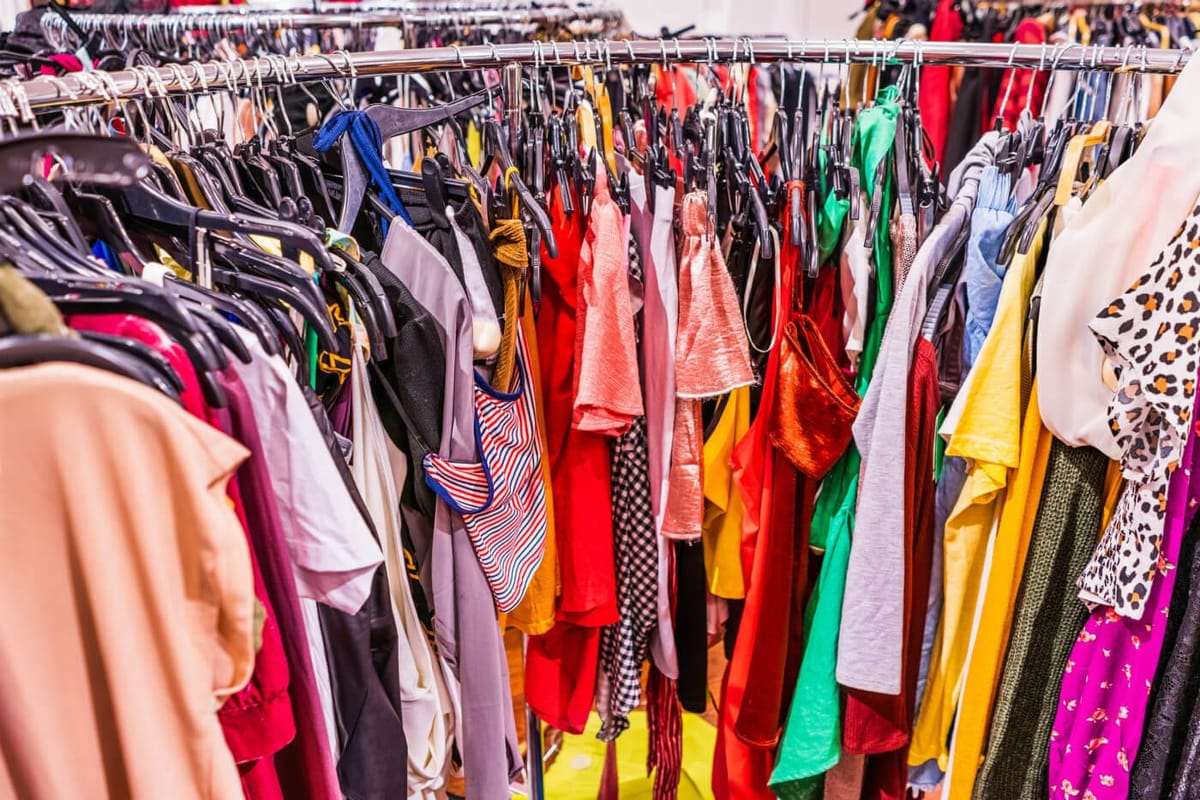
“Fast fashion” can be defined as the rapid production of clothing items by brands that generally prioritize quantity over quality. These brands closely follow trends, churning out clothes at lightning speed to keep up with trends - often encouraging them, in the process. This model aligns perfectly with today’s maximalist aesthetic, encouraging overconsumption as consumers chase trends to maintain the newest look.
The reality behind this excessive consumerism is grim. Investigations into Shein’s supply chain found some garments produced at around 3-4 British pence, while workers endured brutally long shifts with little to no days off (Chua;Halliday). A BBC report found that Shein workers were putting in 75-hour workweeks, far exceeding legal limits and violating Chinese labor laws. However, Shein isn’t alone. More commonly frequented brands, such as Zara and H&M, rely heavily on labor from low-income countries like Bangladesh. A study of 1,000 Bangladeshi factories serving global brands found that more than half experienced order cancellations, refusal to pay, price reductions, or delayed payments, and 37% of 1,138 brands surveyed, including Zara, H&M, Lidl, GAP, Primark, and others, were reported to have engaged in unfair buying practices. As a result, one in five factories struggled to pay even the legal minimum wage after the COVID-19 lockdown(Aljazeera). According to researcher Emma Ross at the George Washington University Law School, of the 75 million factory workers employed by the global fast-fashion industry, fewer than 2% earn a living wage.
The environmental toll is just as severe. In Noida, India, a stretch of the Hindon River turned a shocking shade of red. The color was so vivid that locals initially feared it was blood. The truth? Chemical effluent, dumped into the water by illegal dyeing units, had saturated the river, contaminating a water source that communities relied on for drinking, cooking, and farming. According to reporting from the Times of India, as many as 30 unauthorized dyeing operations in Bahlolpur continue releasing waste into the river despite government and judicial orders to shut them down. One cattle rearer described how his buffalo developed a severe foot infection after entering the river, while environmental experts warn that the dyes reduce light penetration and oxygen levels, leaving parts of the Hindon virtually “dead.” All of this devastation stems from the unchecked textile dyeing that supports fast fashion’s relentless demand for cheap, trendy clothing.
What Can You Do?
Thankfully, there are a variety of solutions that can hinder the fast fashion industry’s relentless destruction.
1) Embrace Thrifting
Shopping secondhand is one of the easiest ways to cut down on new clothing consumption. Thrift stores offer far more than just clothes. Many carry furniture, glassware, books, paintings, instruments, and countless other items that deserve a second life. Thrifting saves money, reduces waste, and dramatically lowers your carbon footprint. Donating clothes to a thrift store is also an effective way to keep them out of the trash and prevent landfills from filling up. The average garment is only worn 7 to 10 times before being thrown away in many places and the average US consumer throws away 81.5lbs of clothes every year.
2) Learn a Fiber Art
Crafts like crocheting, knitting, sewing, or needle felting let you create clothing and accessories yourself, slowly, intentionally, and sustainably. Buying yarn or fabric from local shops boosts the eco-benefits even further and supports small businesses. Learning a fiber art can also help you develop a crafty hobby which could foster other unintentional benefits such as minimizing your screen time. Taking up crochet helped me improve my concentration plus lower my time on devices, all while reducing my carbon footprint.
3) Choose Organic and Local
When you do buy new, opt for garments made from organic cotton or other sustainably sourced materials. Supporting small, local clothing brands also keeps your money within your community and away from exploitative supply chains. Farmers' markets such as CrossRoads Market in Langley Park, MD, or FreshFarm Market located in Downtown Silver Spring carry crochet and other apparel vendors. Earth Tribe Shop in Ellicott City, MD offers high-quality, sustainable items, including clothing, skincare, and home products. A great source of information on this subject is Robin Greenfield. Find more information about organic, sustainable clothing at https://www.robingreenfield.org/clothes/.
Works Cited
https://sourcingjournal.com/topics/labor/shein-channel-four-shein-warehouses-garment-workers-381544/
https://www.antislavery.org/latest/shein-fast-fashion-problem/
https://www.bbc.com/news/articles/cdrylgvr77jo
https://www.cantarelliethicalworld.com/fashion/10-statistics-about-fast-fashion-waste
https://www.robingreenfield.org/clothes/
https://earthtribeshop.com/https://www.minimizemymess.com/blog/benefits-of-thrifting?srsltid=AfmBOoqajuYo-Wt7SMGM8lvgTQcR8Q2qAHnaIp3Yy0J36IjcZkuVoGry

Member discussion: